Private dining
At your table
A dinner at home, a birthday, a celebration with family or friends.
- Rate
- €96.80 per hour incl. VAT, menu and shopping included
- Payment
- €10 deposit on your first booking, deducted from the invoice
A calm hand at the height of service — precise, inventive, quietly assured.
Click a skill to open that part of the story
The kitchens, newest first
Selecting the shifts I like over the past two and a half years: walking dinners at events, banqueting, catering and à la carte — a bit of everything.
 Sous Chef
Sous chef in an almost fine-dining Asian kitchen, with service built mostly around menus, including charcoaled steaks and wagyu.
 Head Chef
Given a free hand to build an organized, efficient kitchen department. During the restaurant's renovation, developed a new, more structured way of working with the restaurant manager, and created a new menu.
 Asian cuisine
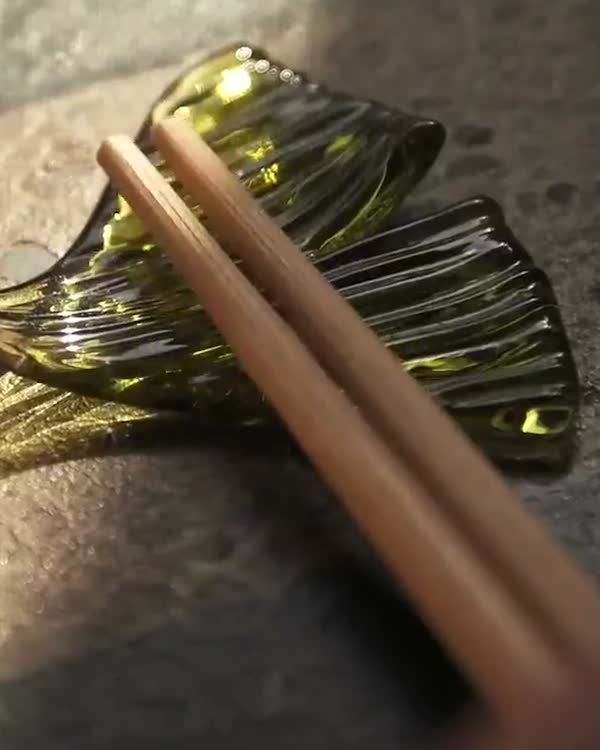
Broadened into the Asian kitchen: new cutting and processing techniques, warm and cold Japanese side dishes, and Japanese pastries. Served charcoaled steaks and wagyu.
 Fine dining
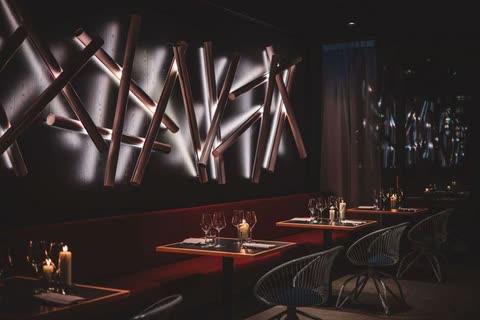
Trained under Randy Woltman: finer technique and a higher, more efficient pace of work, in an open kitchen where cleanliness and hygiene were essential. Worked with a Big Green Egg in the kitchen and a PacoJet on the pastry side.
 Where it began
Kitchen aid, then chef de partie, then sous chef under Head Chef Daniel Saad. Pastry basics at a high level; training and managing kitchen staff, mise en place lists, cost control, food cost, storage and sanitation — serving 300–400 guests a day.
Open any chapter — read as much as you like
I · Roots
 Where It Started
It started with appetite. Long before I knew a single technique, I knew what good food felt like — and I couldn't stop chasing it. That early, uncomplicated love of tasty food is what pulled me into this craft, and it has never let go. If anything, it has deepened. The older I get, the more I realise that food is part of life itself: it feeds the body, but it feeds the mind too. It shapes how you feel, how you think, how you show up. That isn't a slogan for me. It's the reason I cook.
 Korean Roots
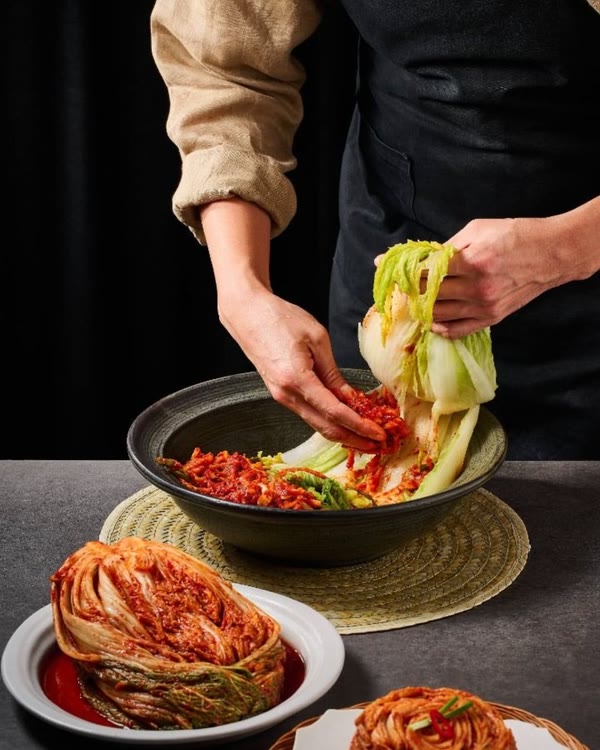
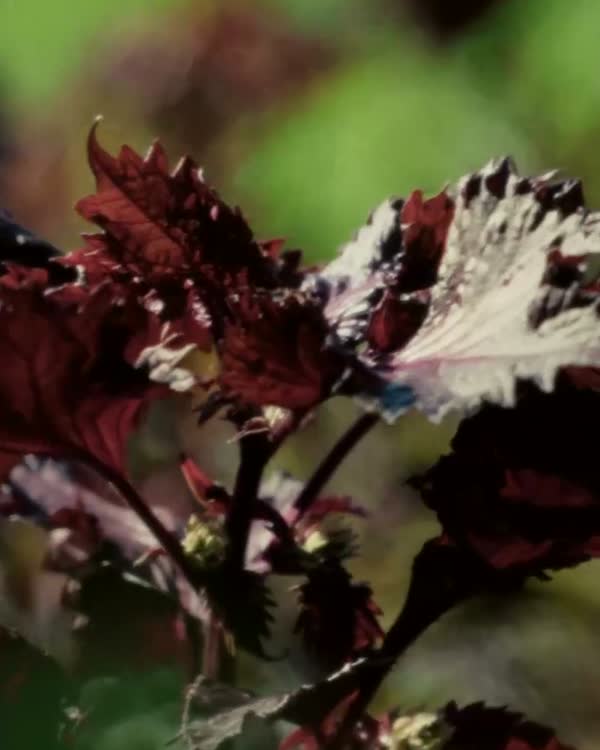
Underneath everything sits Korea. It shows in how I think about food before it shows in what I cook. In Korean food culture the meal is something shared: dishes meet in the middle of the table, everyone eats from the same spread, and feeding people is a way of looking after them. Patience, fermentation and balance run through all of it, with a handful of humble ingredients — sesame, garlic, chilli, the deep savoury pull of fermented pastes — doing a great deal of work. That way of seeing food has shaped my instincts more than almost anything I learned formally, and it's part of why I respect every cuisine I cook. Whatever I'm cooking, I do it as traditionally as I can, on its own terms.
The living pantry
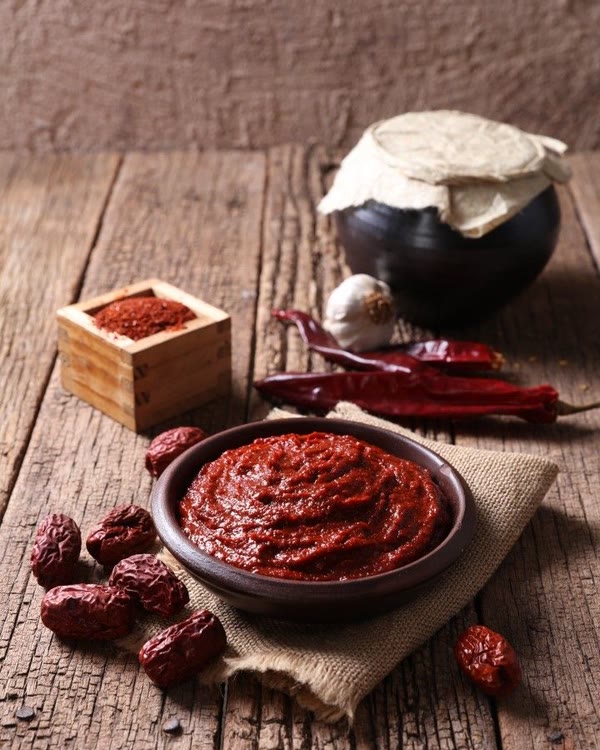
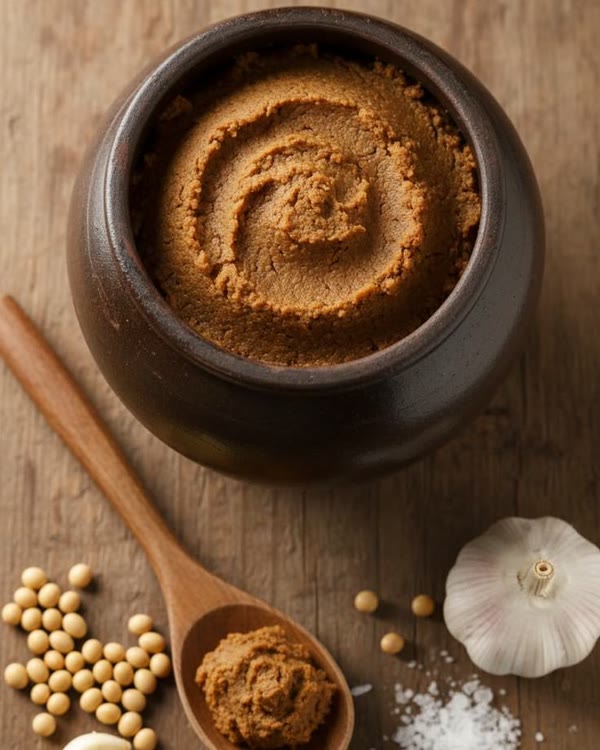
Gochujang. Doenjang. Kimchi.
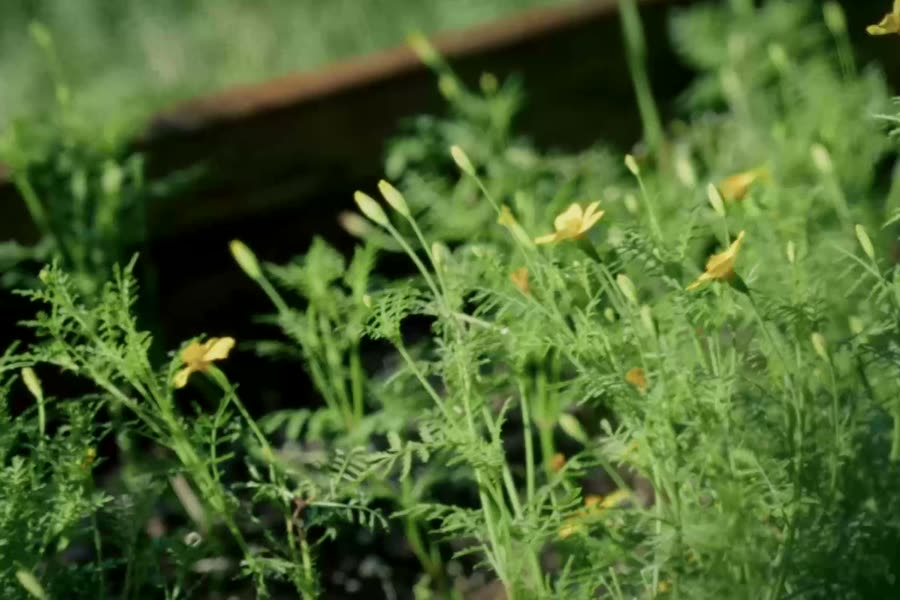
Chilli, soybean and cabbage, given salt and time in earthenware jars until they become something deeper — rounder, warmer, alive. Fermentation does the quiet work, over months, sometimes years. Old knowledge, and kind to the body. I simply let it take its time.
 Ingredients First
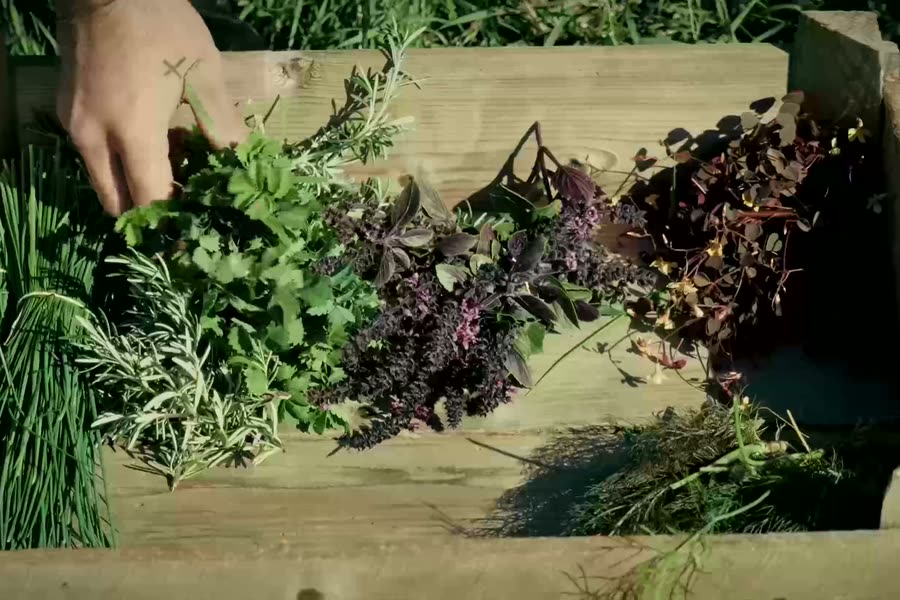
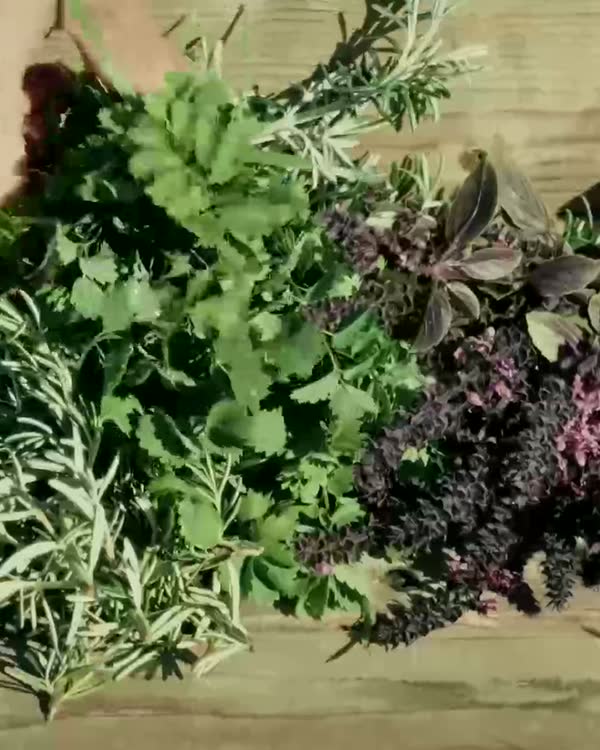
None of that technique means much without what you start with. I care — maybe stubbornly — about working with genuinely good quality products, because so much of a dish's success is decided before any technique is applied. You can execute something flawlessly and still fall short if the product wasn't right to begin with. For me, sourcing well isn't a finishing touch. It's the first real decision I make on any dish, and often the difference between a plate that's good and one that's memorable.
Part of that is time. A tomato, a pepper or a peach that has been allowed to ripen naturally on the plant or the tree, in its own season and its own sun, tastes completely different from one picked early and left to colour up in a crate. The sugars have had time to build, the acidity settles into balance, and the aroma is fully there — you can often smell the difference before you taste it. Produce picked too soon can look perfect and still taste of very little. I'd rather wait for what's properly ripe than build a dish around something that never had the chance to taste of itself.
In the Kitchen
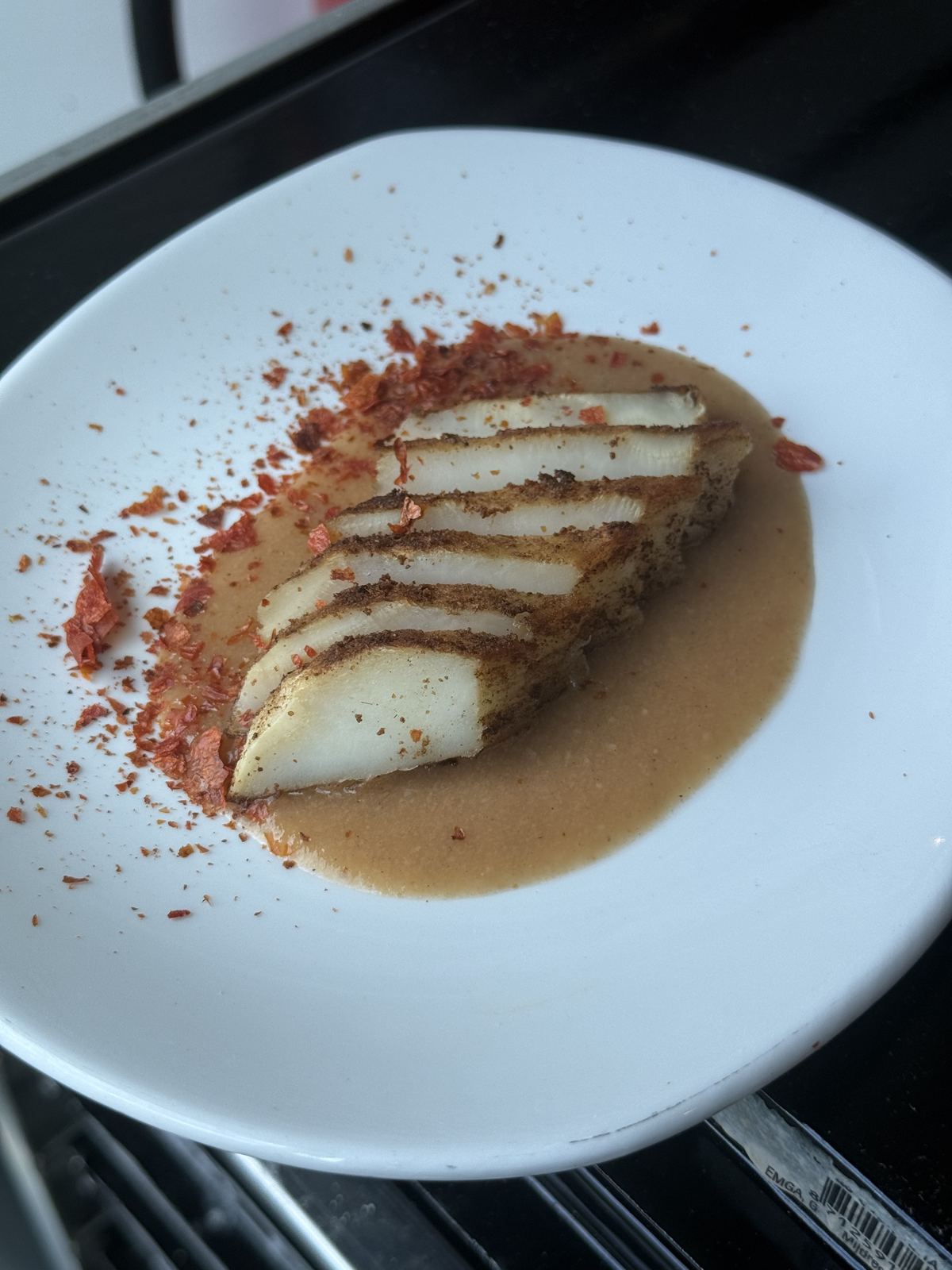
“Food feeds the body — and the mind.”
II · The Line
 Learning the Trade, Fast
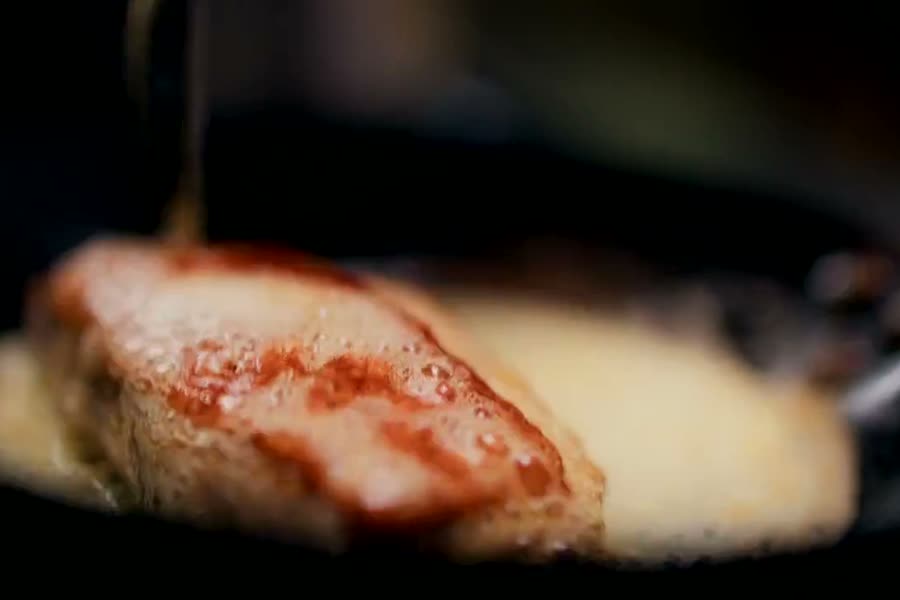
My journey started at Spirit Rotterdam, as a kitchen aid under Head Chef Daniel Saad. During my trial period he noticed something and took me under his wing, and things moved fast — recipes, preparation and cooking techniques, all absorbed in a remarkably short time, including the basics of pastry at a genuinely high level. That speed, and a knack for reading people quickly, led to a promotion to chef de partie: training and managing new kitchen staff and writing the mise en place lists that keep a kitchen honest.
At Spirit I eventually became sous chef — cost control, food cost, storage, stocking and sanitation, the quiet architecture behind every good service. On an average day we served 300 to 400 guests. It was a crash course in staying composed while the tickets never stop, and it's the foundation everything since is built on.
Then I went to Cas Spijkers Academy, where I learned a lot.
The Shift
Putain is where the craft changed for me. Under the guidance of Randy Woltman I learned the finer ropes of the profession — and a higher, more efficient pace of work. It was fine dining out of an open kitchen: nothing to hide behind, so cleanliness and hygiene weren't extras, they were the baseline. It's also where I felt something click — a daily drive to be the best I can be, and a little better than the day before. Somewhere in that repetition, it stopped being a goal and became who I am in a kitchen.
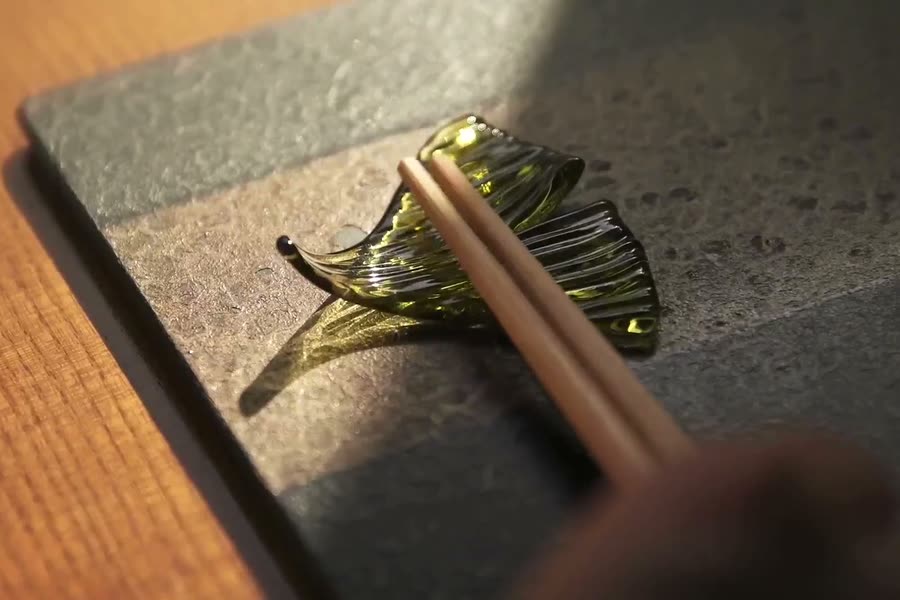 Widening the Palate
Then I wanted range. Kyatcha opened the door to the Asian kitchen — new cutting and processing techniques, a different logic for how food is built and prepared, and warm and cold Japanese side dishes and Japanese pastries that I quickly made my own. Alongside European and Mediterranean cooking, the warmth of African cooking, and the Korean flavours that were part of me before any of it, it gave me a range I try to use with respect. Every cuisine has its own logic, and when I cook one, I cook it the traditional way. What ties it together is feel: the more experience I gain, the more that feel sharpens, and in the end, feel decides the plate, not the recipe card.
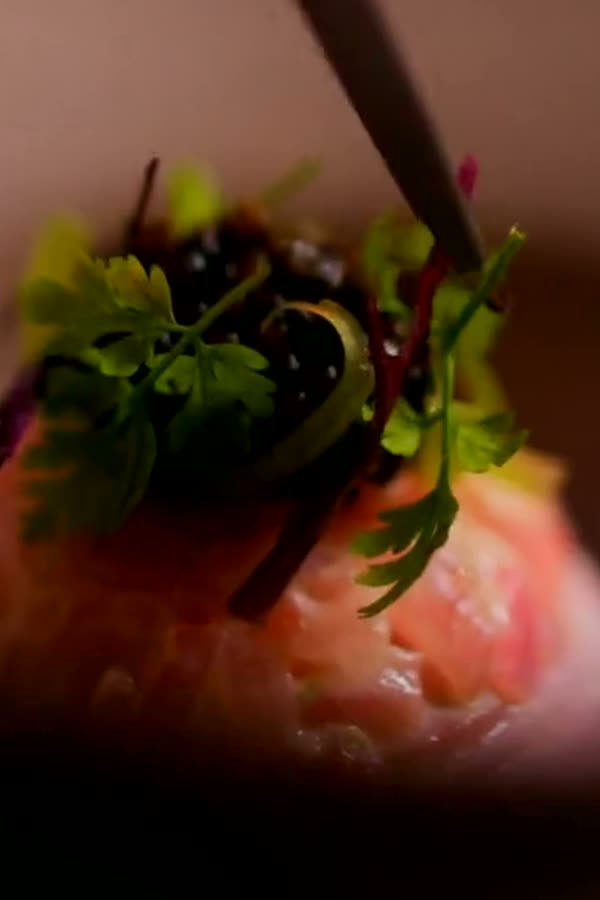 Building Something of My Own
At NIKO I was Head Chef, and it was a different kind of test — not executing someone else's vision, but building one. I was given a free hand during the restaurant's renovation, and everything I'd learned at Spirit and Putain made it possible to use that freedom well. Together with the restaurant manager I created a new, more efficient and structured way of working, and wrote a new menu to go with it. It's one thing to follow a good system. It's another to be trusted to build one and watch it hold up under real service. It did.
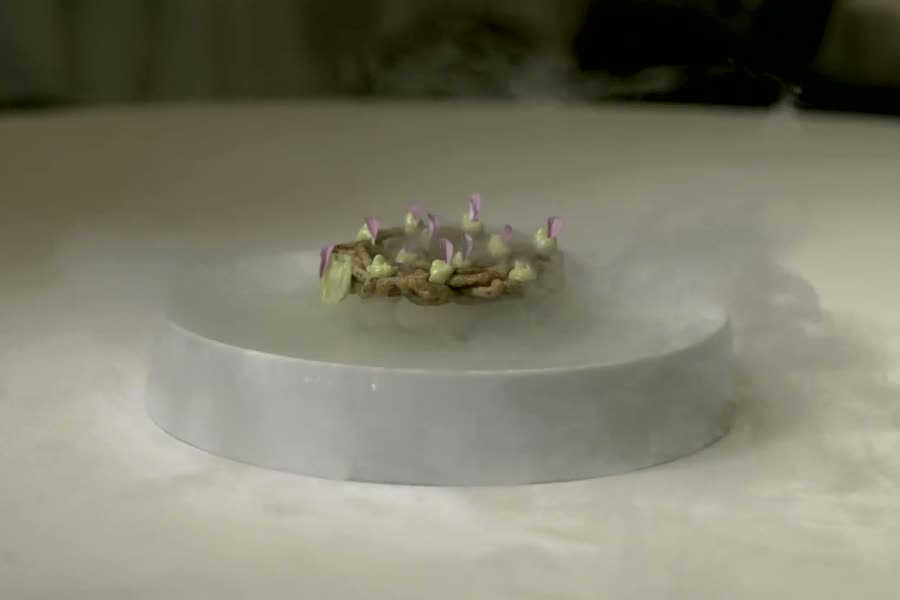 Cooking to a Menu
After NIKO I moved to Three as sous chef, in an almost fine-dining Asian kitchen where service was built mostly around menus. Menu cooking is its own discipline: every dish has to earn its place in a sequence, timing and consistency matter as much as flavour, and the rhythm of the evening is designed rather than improvised. It sharpened my sense of composition — how a menu moves from the first plate to the last.
 Choosing My Shifts
Freelance has been part of my last two and a half years, and I'll admit it: I'm a bit picky. I choose the shifts I like the look of and pass on the rest, which means I turn up to work I actually want to do.
The variety is the point. Walking dinners at events, banqueting, catering, or simply à la carte in someone else's kitchen — a bit of everything. Each asks for something different: a walking dinner is small, precise bites that have to hold up in the hand; banqueting and catering are about timing and scale, getting a lot of plates out well at once; à la carte is fast, à-la-minute cooking. Moving between them means walking into unfamiliar kitchens, reading the room quickly, and being useful from the first hour.
“Every day, a little better than yesterday.”
III · Craft
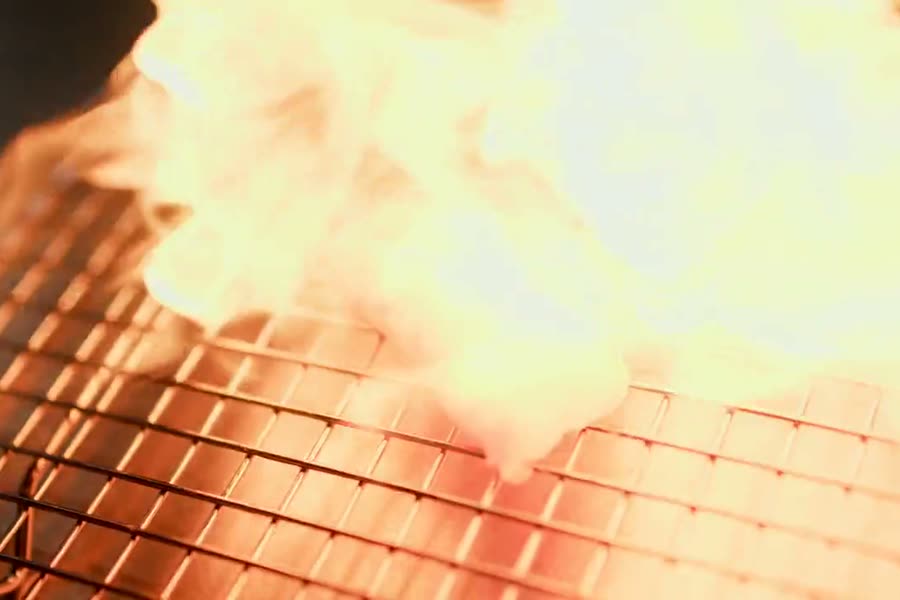 Fire and Frost
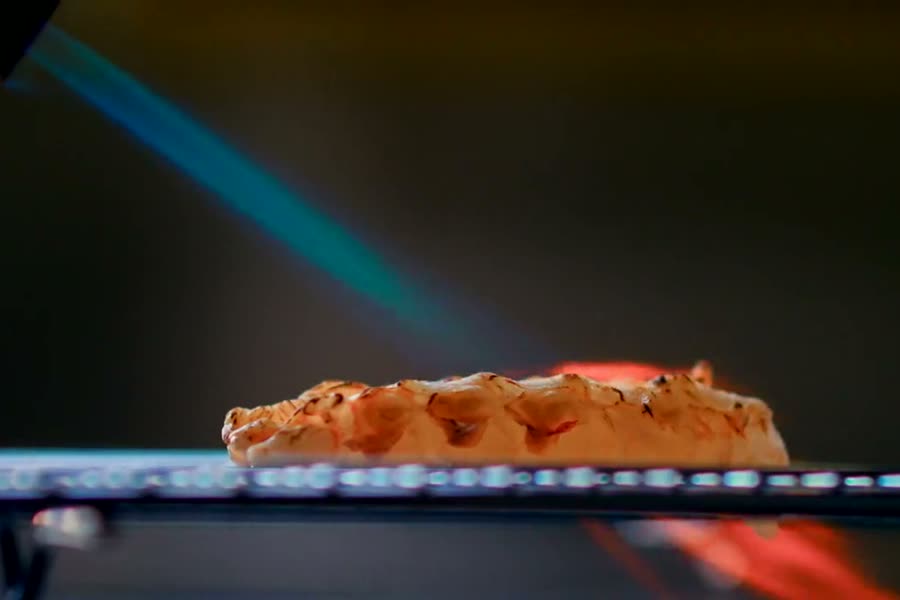
Some of what I know, I learned from the equipment. At Kyatcha and again at Three, the fire was central: we served charcoaled steaks and wagyu, where the whole craft is restraint — good product, real fire, and the discipline to leave it alone. Charcoal doesn't forgive inattention. You learn to read heat by feel, and once again, feel decides the result.
Putain gave me both extremes in one kitchen. A Big Green Egg stood right inside the kitchen — live charcoal and smoke in the middle of an open service — while on the pastry side, a PacoJet turned deep-frozen preparations into impossibly fine textures. Fire on one side, frost on the other, and the same principle behind both: know your tool well enough that the food does the talking.
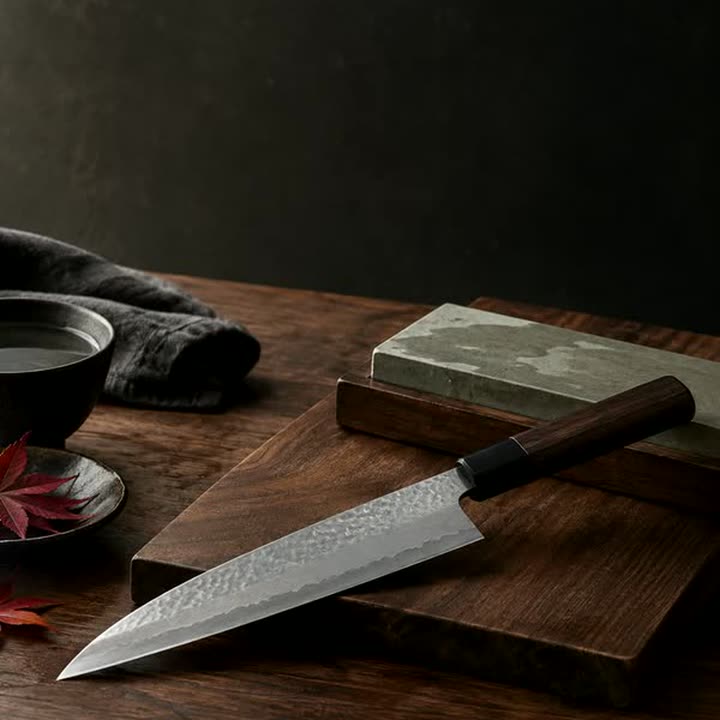 The Edge
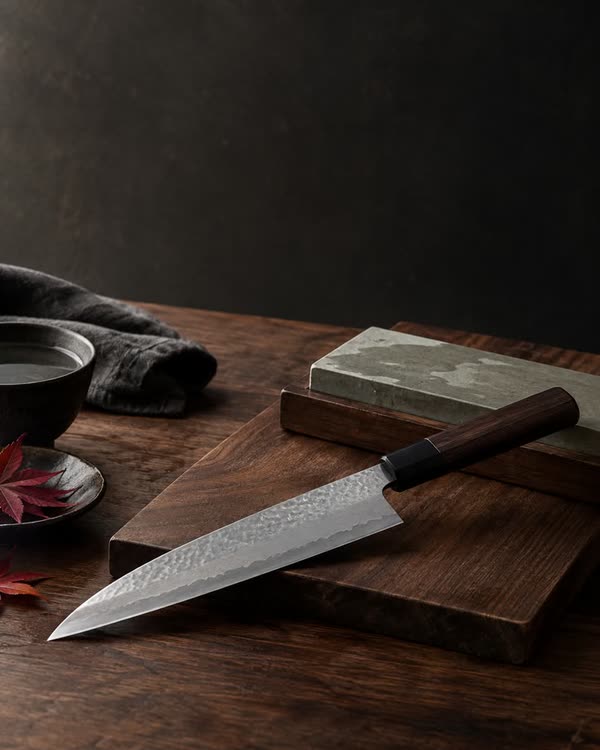
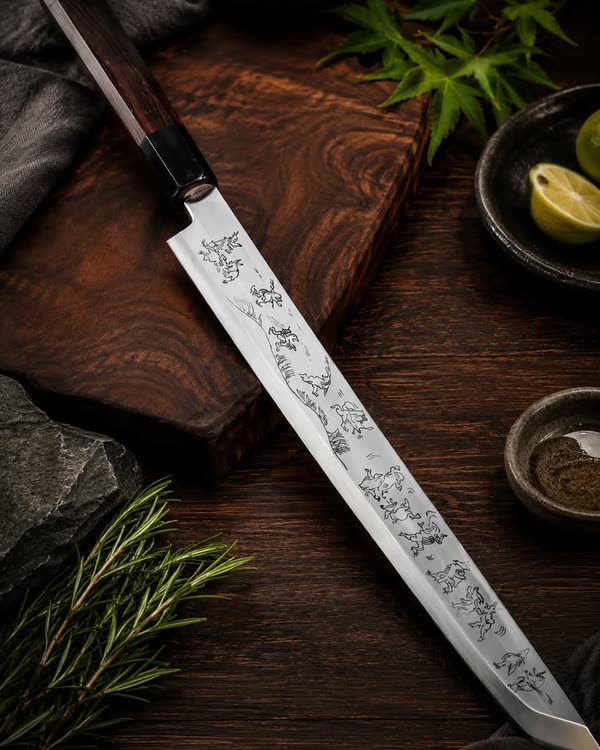
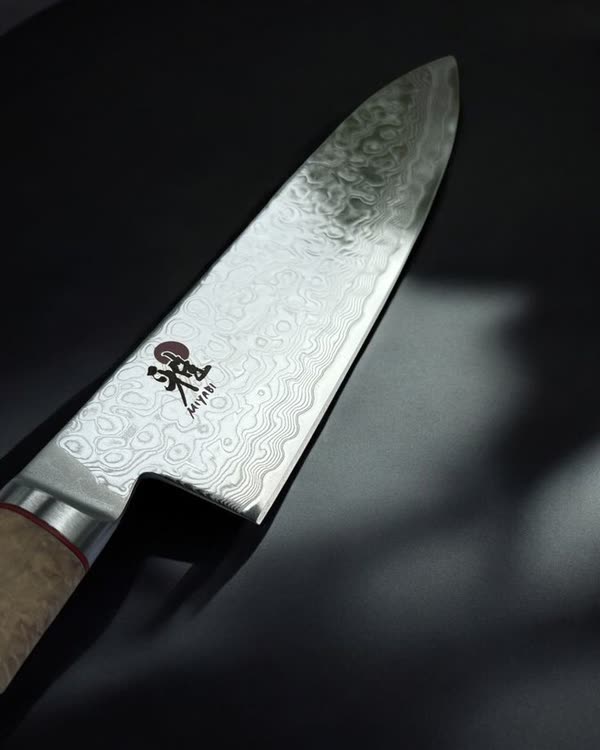
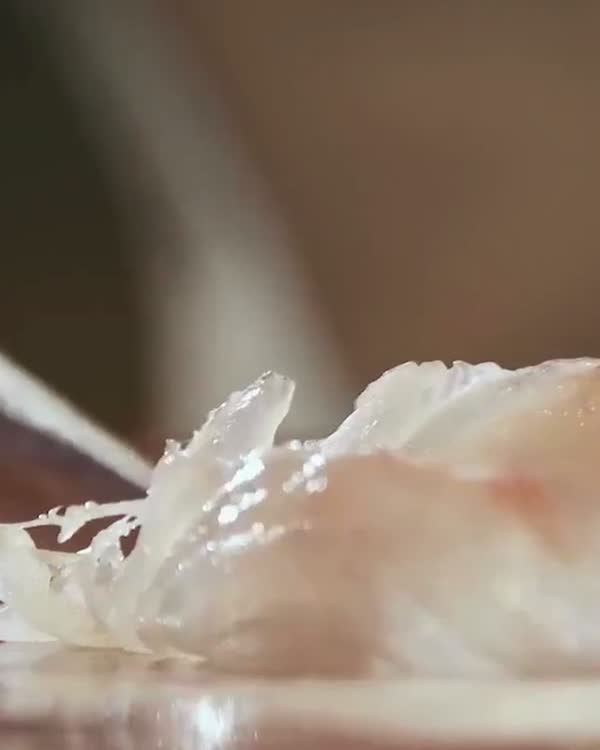
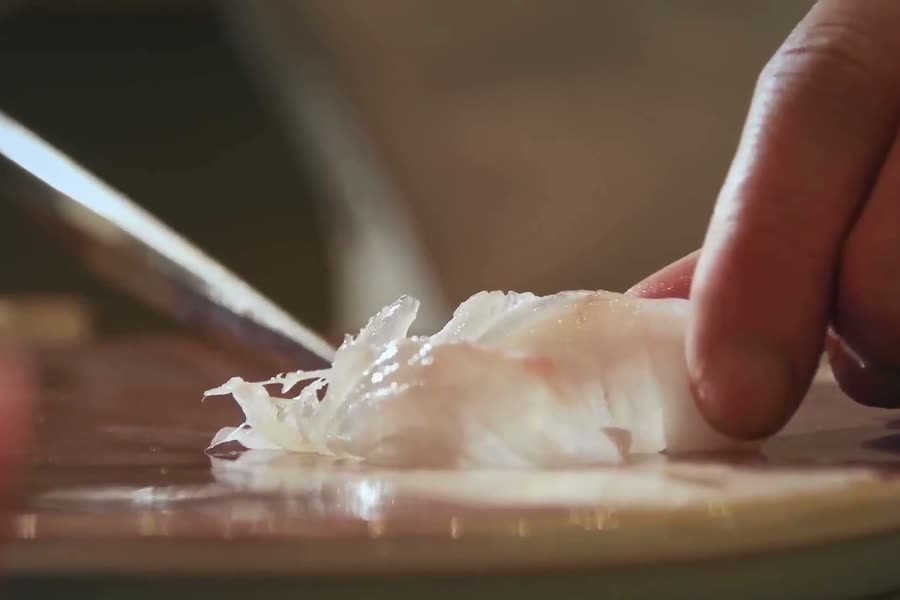
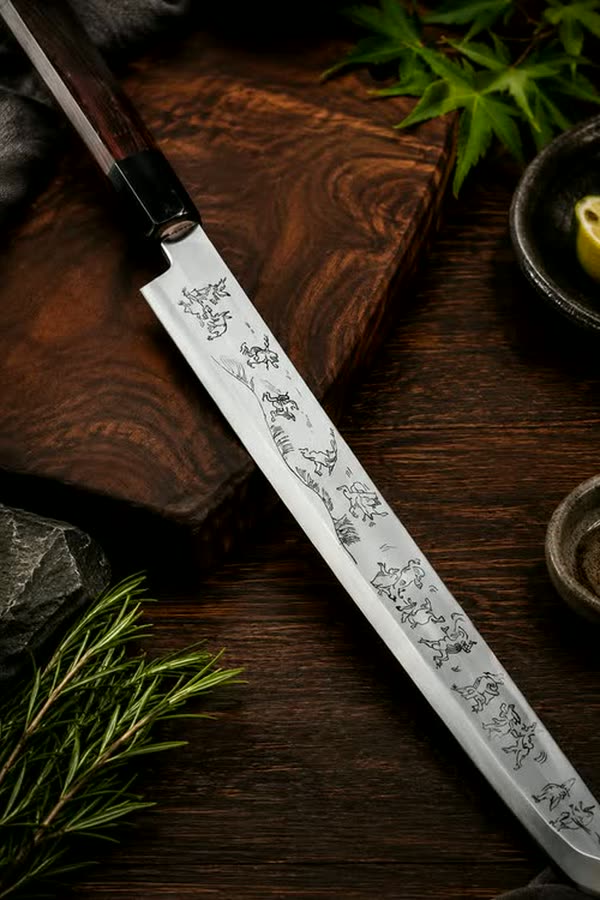
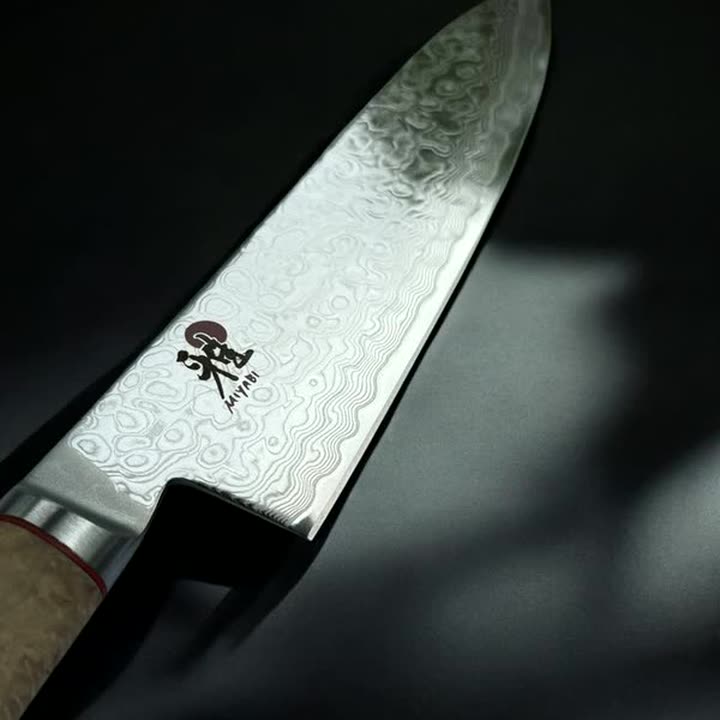
Every cut starts with the knife, and mine are Japanese. I always choose MC63 steel: very hard and fine-grained, it takes an exceptionally sharp edge and keeps it through a long service. A truly sharp knife doesn't tear, it glides — herbs stay bright, fish keeps its sheen, and a cut can be as precise as the idea behind it. That's where creativity starts for me: when the tool never gets in the way, the hand is free to follow the plate I have in mind.
Keeping it that way is a ritual. I sharpen by hand on whetstones, always in the same order — 1000 grit to set the edge, 3000 to refine it, 5000 to polish it. It takes time, and it's time well spent: the knife comes off the last stone ready for anything.
 A Different Kind of Precision
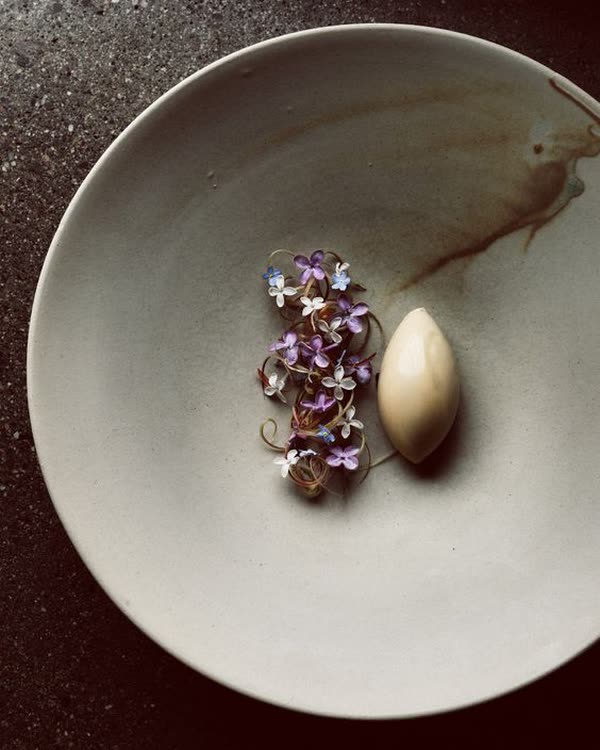
Pastry has stayed with me since those early days at Spirit, and it taught me something the savoury side never quite did. On the line, cooking rewards instinct: you taste, you adjust, you feel your way to the right result in real time. Pastry doesn't forgive that kind of improvisation — weight, temperature and timing aren't suggestions, they're the whole method. Learning to work that precisely, where a few grams or a few degrees genuinely change the outcome, opened up a different way of thinking about food altogether, and I love it for exactly that reason. Revisiting it through a Japanese lens at Kyatcha only sharpened it further. I bring that discipline back into my savoury cooking now — the feel is still there, but with a layer of exactness underneath it that wasn't there before.
IV · Who I am
 Who I Am When the Tickets Stack Up
Reliable, creative and assertive — a cool head when things get busy, with room left over for a joke when it's earned. Away from service I'm a perfectionist, and I don't like to fail, which mostly translates into one habit: I show up prepared, every time. I'd rather over-prepare than be caught short. I work in English and Dutch, which has made it easy to move between kitchens and teams without losing anything in translation.
 What You Get
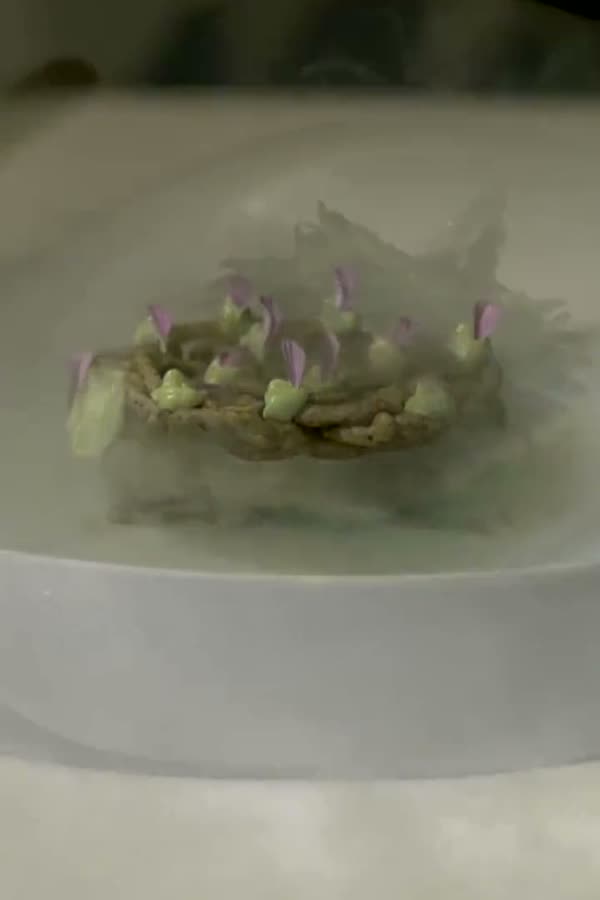
A chef who shows up prepared, every time — with the standard of a fine-dining kitchen and the calm to run it when the tickets stack up. I read a new kitchen quickly and I'm useful from the first hour. Every cuisine is cooked on its own terms, with genuinely good products, and with the elegance of the craft brought forward on the plate.
You book the hours you need; you get the experience of a sous chef and head chef, cooking by feel.
Drag to explore








Drag to explore · Click to view
Reservations
Two ways to book me. Choose the one that fits, tell me the date, the place and the number of guests, and I'll get back to you.
Private dining
A dinner at home, a birthday, a celebration with family or friends.
Restaurants & business
Kitchen shifts, banqueting, walking dinners and company events.
1 Choose a date
AvailablePartly bookedBooked
Request sent
Your request is in and a confirmation is on its way to your inbox. I'll get back to you personally, usually within a day.