Course III
Craft
Fire on one side, frost on the other.
Course III — Craft
Fire and Frost
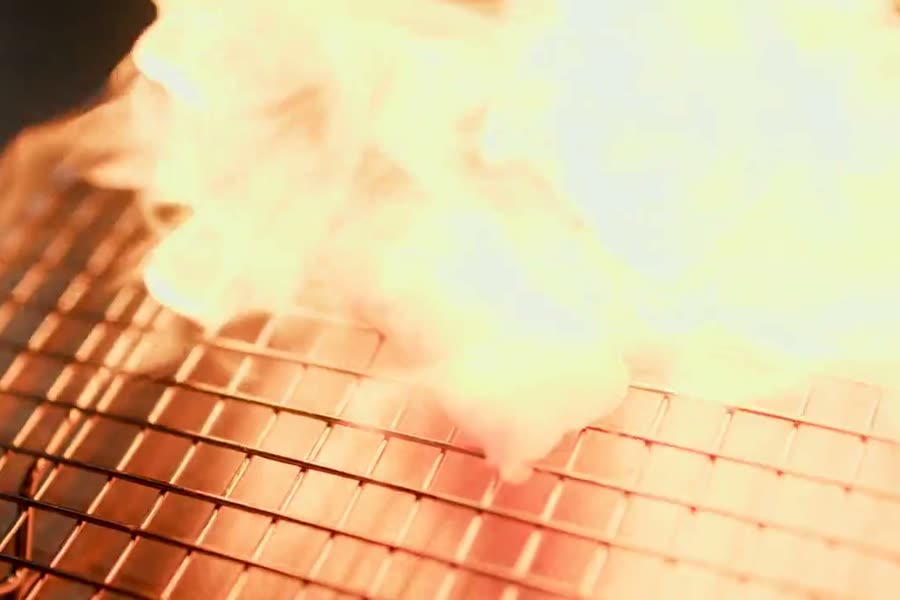
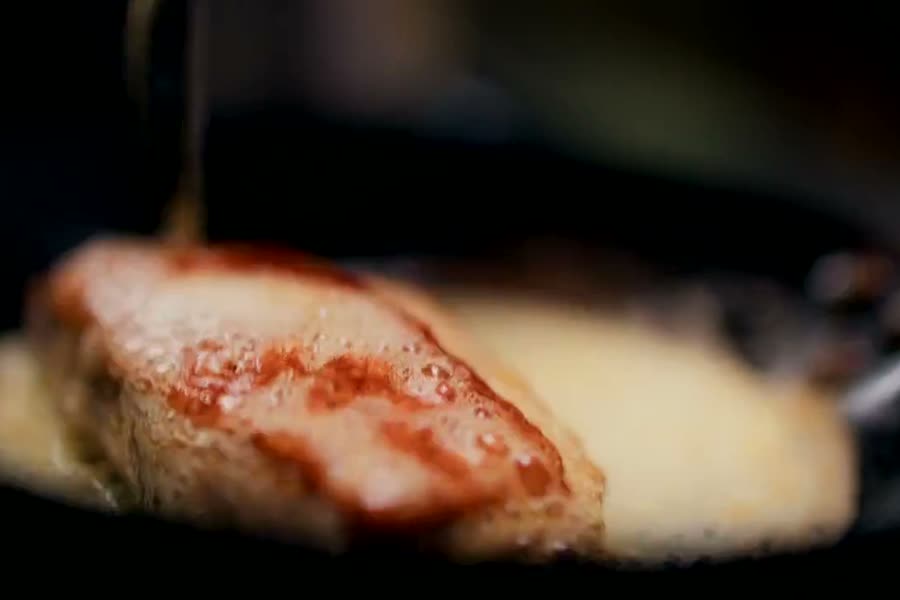
Some of what I know, I learned from the equipment. At Kyatcha and again at Three, the fire was central: we served charcoaled steaks and wagyu, where the whole craft is restraint — good product, real fire, and the discipline to leave it alone. Charcoal doesn't forgive inattention. You learn to read heat by feel, and once again, feel decides the result.
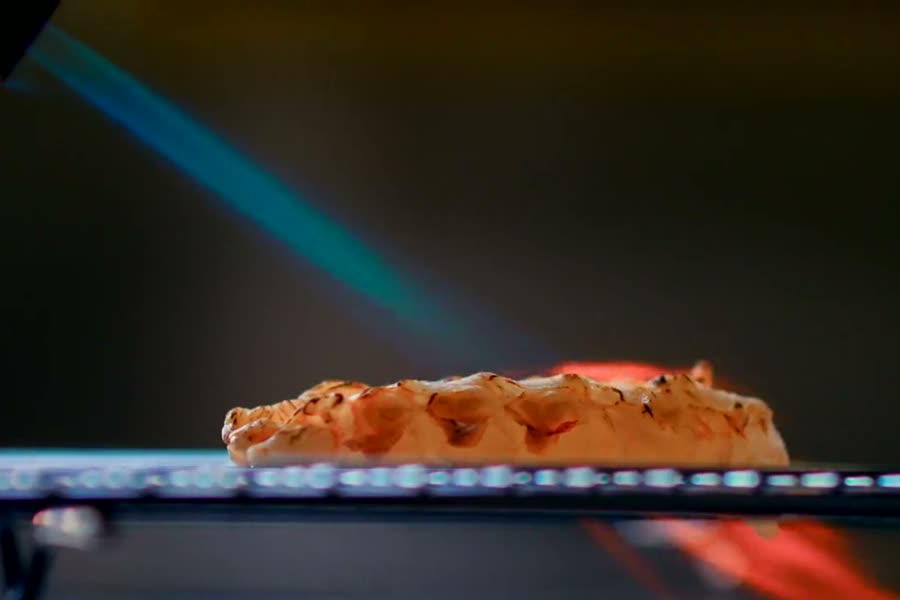
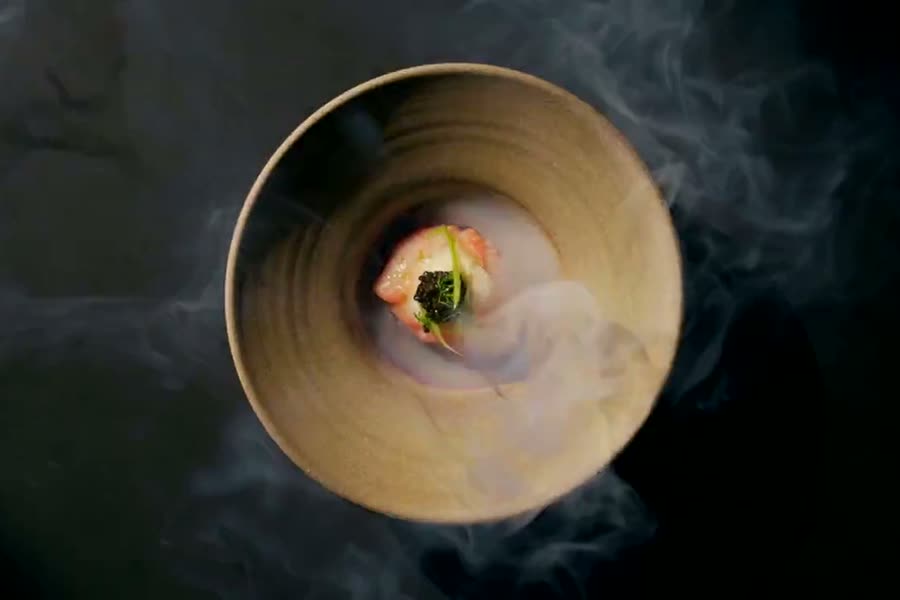
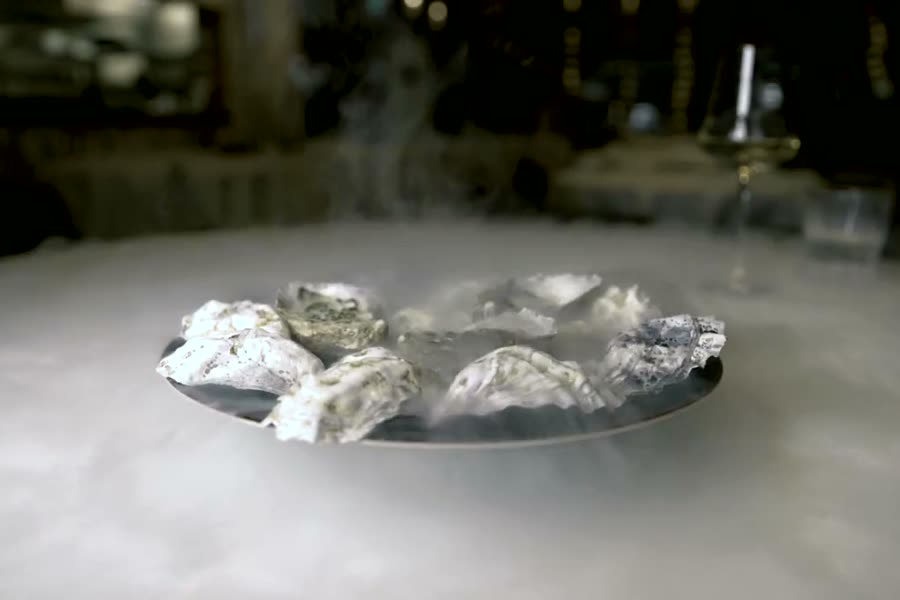
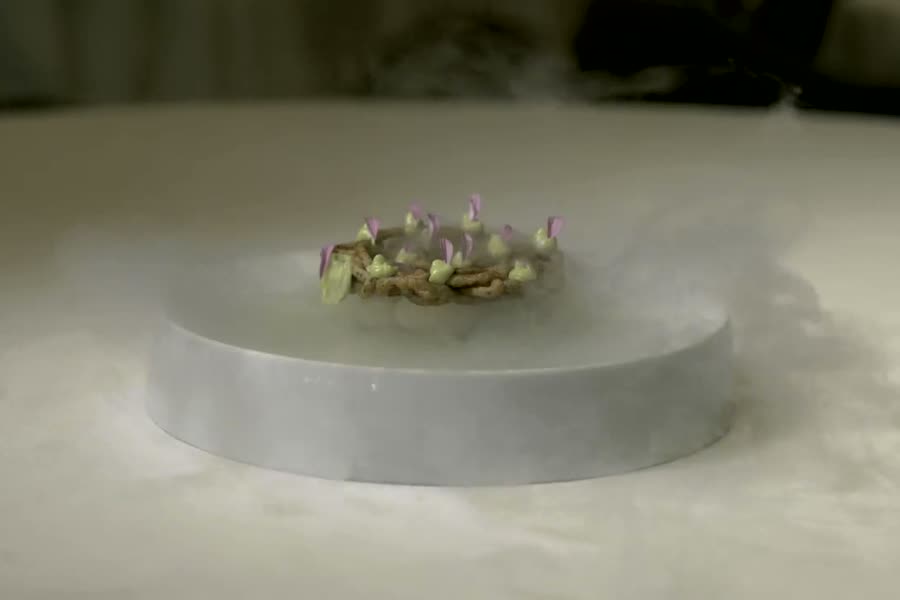
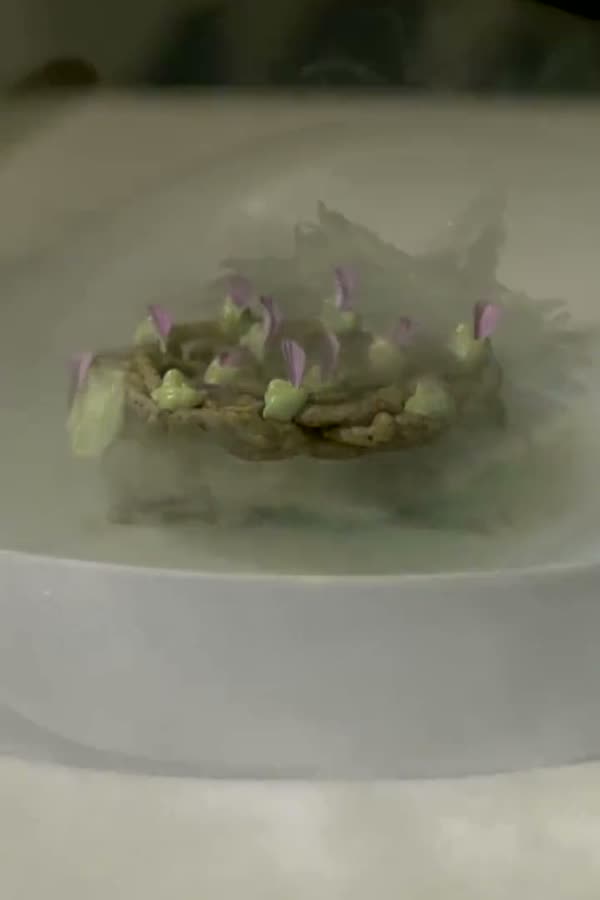
Putain gave me both extremes in one kitchen. A Big Green Egg stood right inside the kitchen — live charcoal and smoke in the middle of an open service — while on the pastry side, a PacoJet turned deep-frozen preparations into impossibly fine textures. Fire on one side, frost on the other, and the same principle behind both: know your tool well enough that the food does the talking.
The Edge
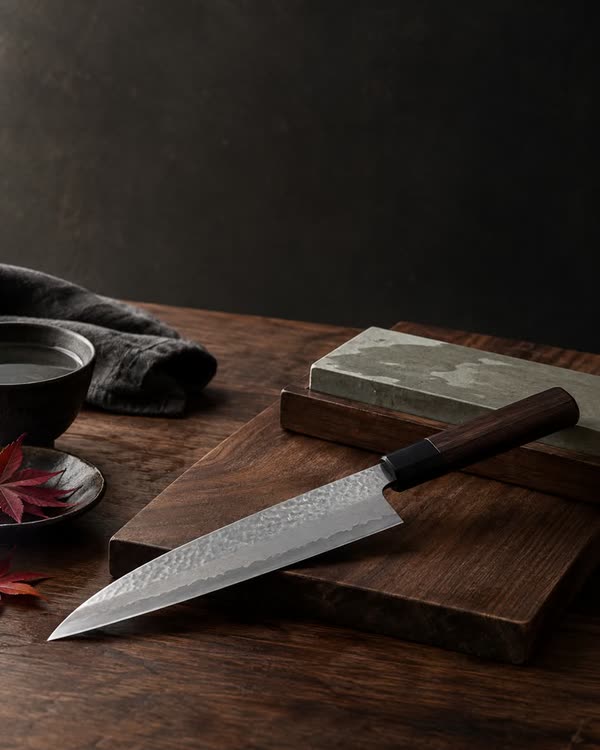
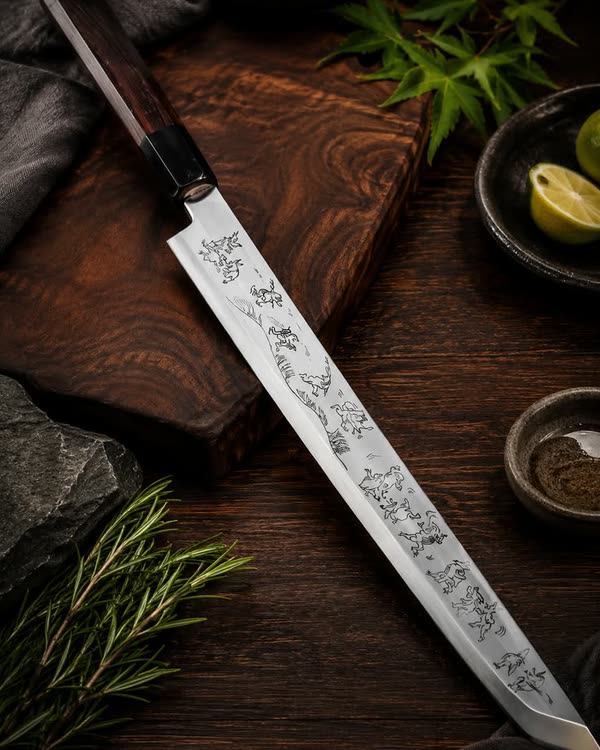
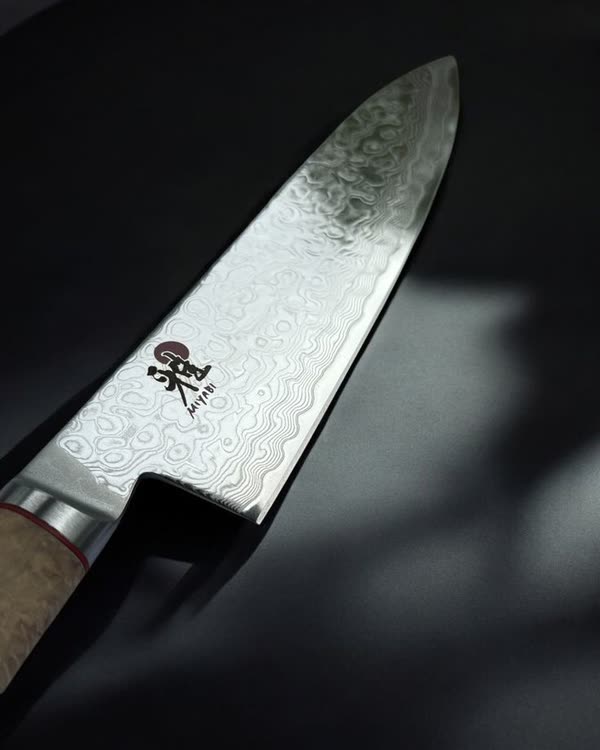
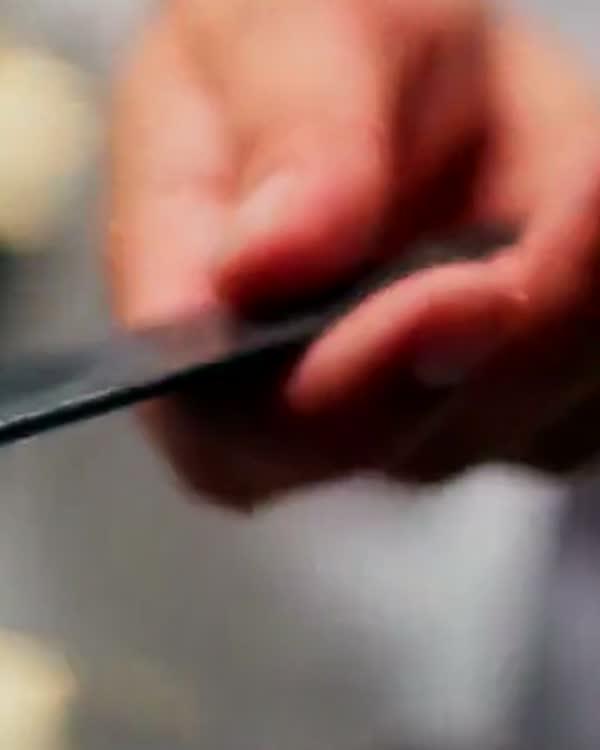
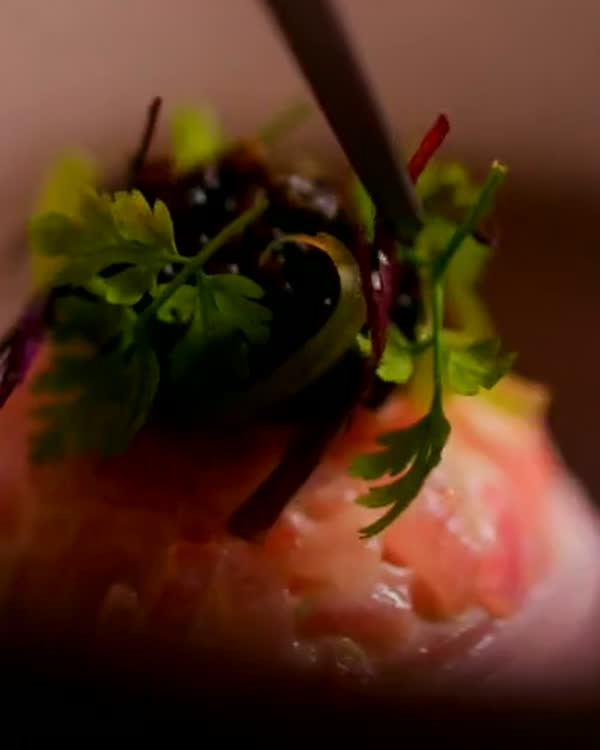
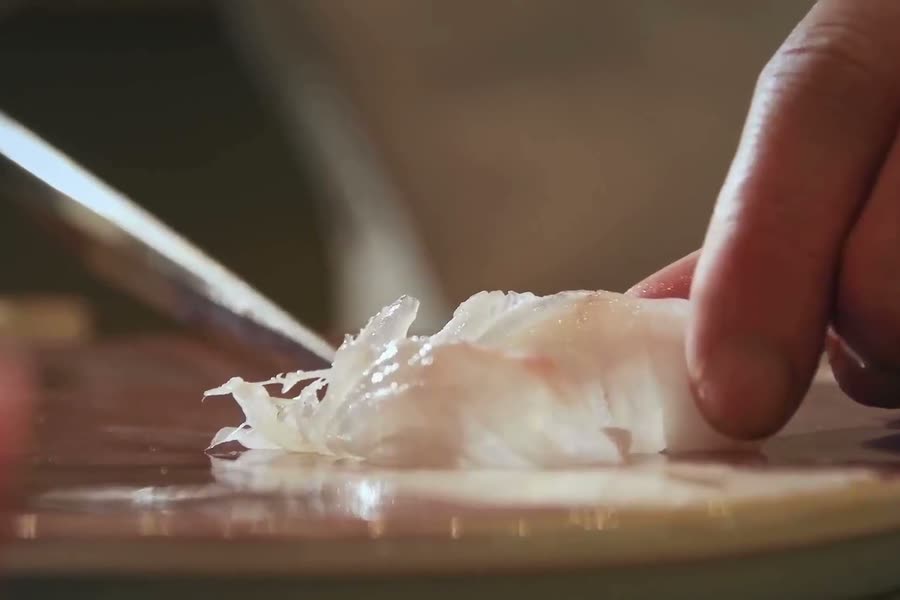
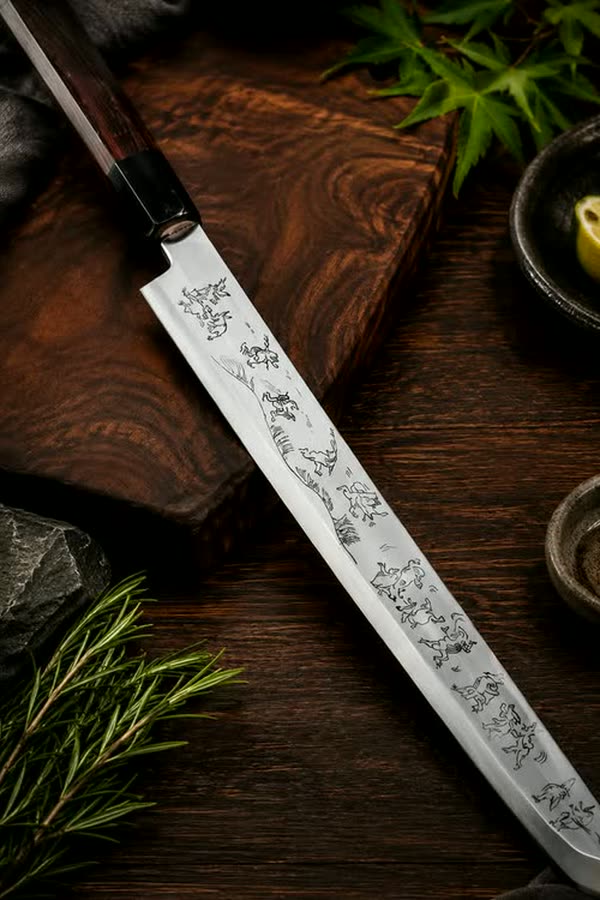
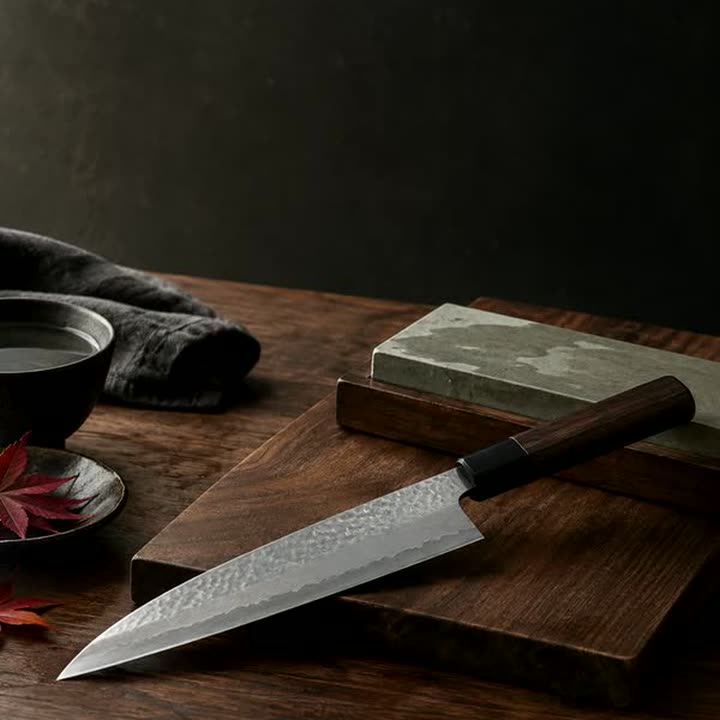
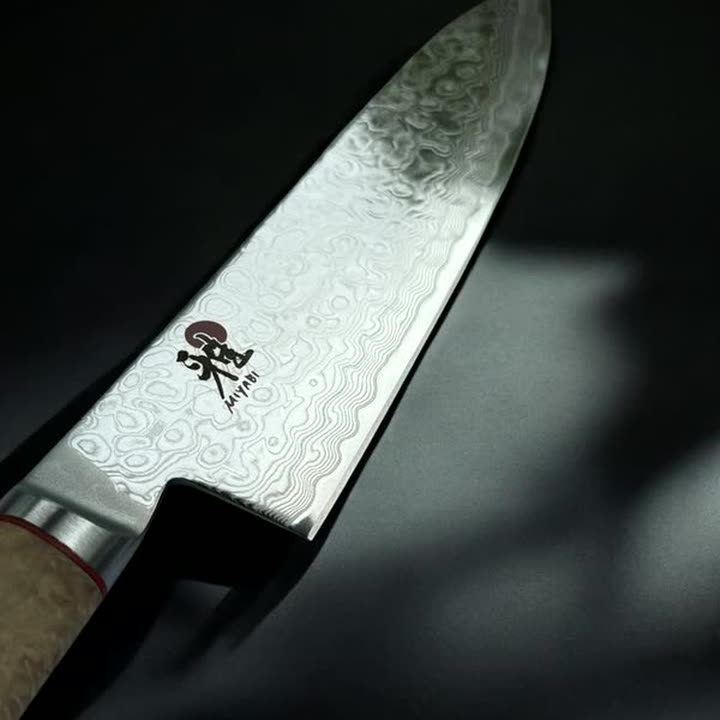
Every cut starts with the knife, and mine are Japanese. I always choose MC63 steel: very hard and fine-grained, it takes an exceptionally sharp edge and keeps it through a long service. A truly sharp knife doesn't tear, it glides — herbs stay bright, fish keeps its sheen, and a cut can be as precise as the idea behind it. That's where creativity starts for me: when the tool never gets in the way, the hand is free to follow the plate I have in mind.
Keeping it that way is a ritual. I sharpen by hand on whetstones, always in the same order — 1000 grit to set the edge, 3000 to refine it, 5000 to polish it. It takes time, and it's time well spent: the knife comes off the last stone ready for anything.
A Different Kind of Precision
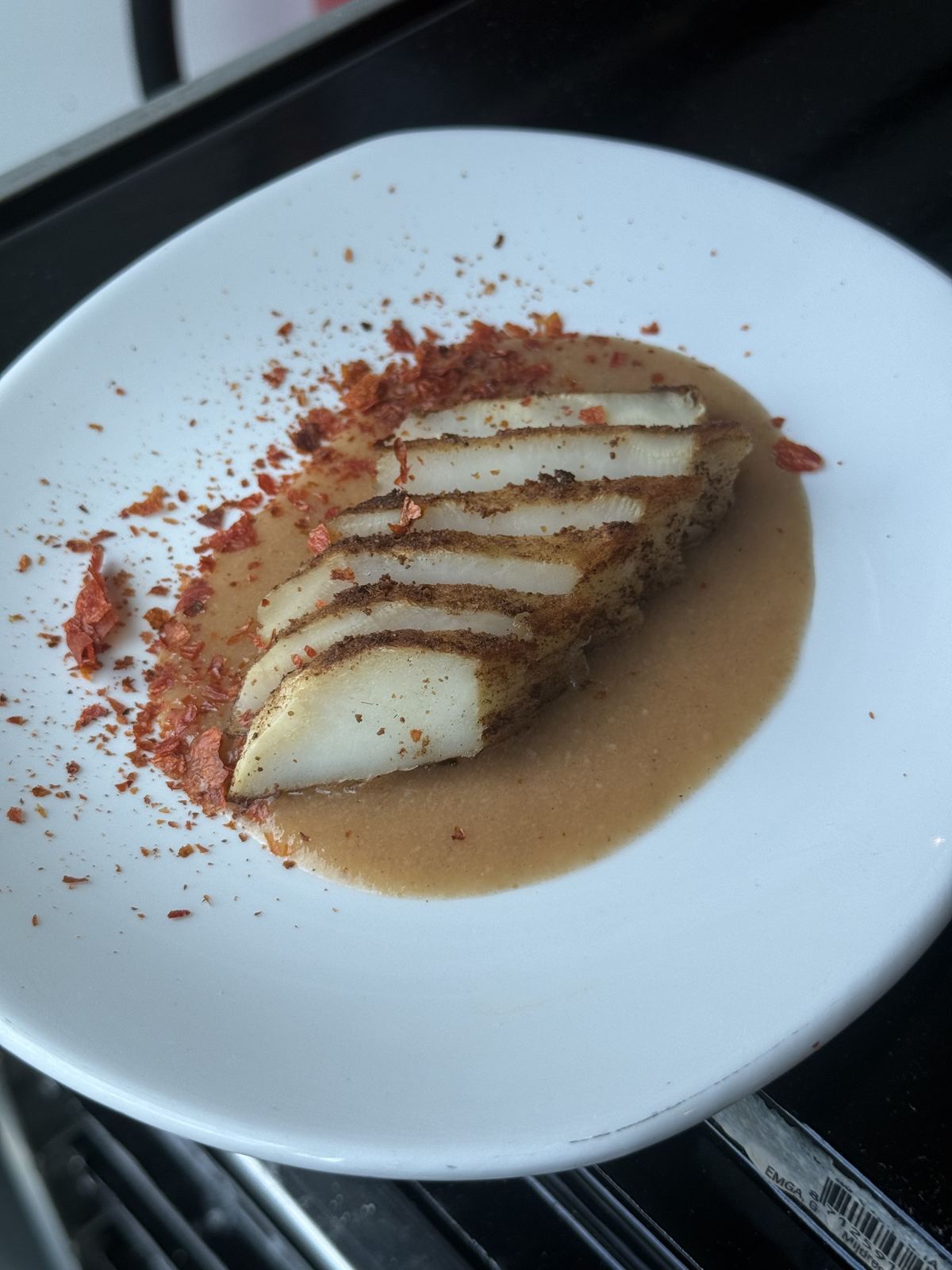
Pastry has stayed with me since those early days at Spirit, and it taught me something the savoury side never quite did. On the line, cooking rewards instinct: you taste, you adjust, you feel your way to the right result in real time. Pastry doesn't forgive that kind of improvisation — weight, temperature and timing aren't suggestions, they're the whole method. Learning to work that precisely, where a few grams or a few degrees genuinely change the outcome, opened up a different way of thinking about food altogether, and I love it for exactly that reason. Revisiting it through a Japanese lens at Kyatcha only sharpened it further. I bring that discipline back into my savoury cooking now — the feel is still there, but with a layer of exactness underneath it that wasn't there before.
In the Kitchen
What I bring
Skills & background
Drag to explore
The Wall


Drag to explore · Click to view